What if the key to understanding complex diseases like cancer lay hidden in just a single cell?
Understanding our bodies and how to treat them can be learned from something as simple as examining microscopic samples taken directly from our cells.
This micro-scale innovation called ‘single-cell genomics’ helps researchers understand how different cells behave, identify rare cell types, and detect early signs of disease such as cancer, that might be missed using traditional methods.
This field of microtechnology is a primary focus for Siora Ltd, a Swansea University spin-out company combining academic research with industrial expertise to transform the way we study and treat human health at the cellular level.
Limitations of single-cell genomics
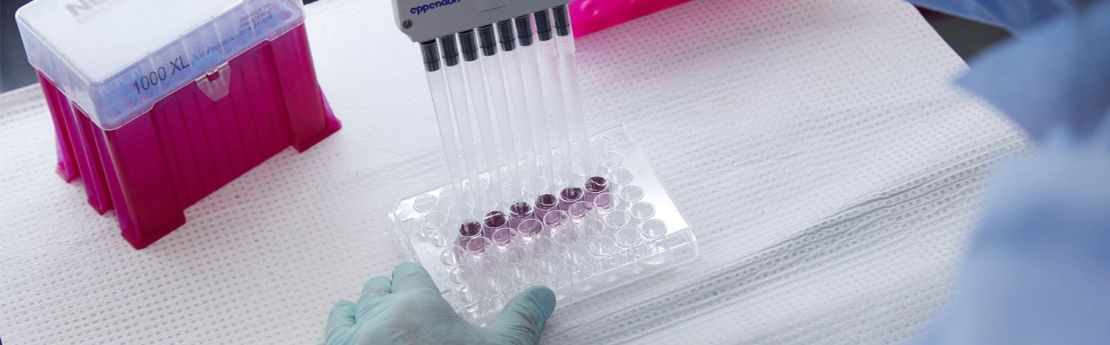
To analyse cell samples, current processes, known as co-encapsulation, involve extracting cells from a patient and introducing them into microfluidic systems, where they are broken down for analysis.
While the insights gained can be valuable for health diagnosis, existing technologies lack the precision needed to consistently target specific cells within the extracted sample.
As a result, these methods often produce low efficiency rates of just 5–7%.
This inefficiency can slow down the process of diagnosing patients or testing new pharmaceutical drugs, often requiring repeated experiments to obtain more specific or reliable results.
Developing new technologies
After identifying the need for more accurate single-cell analysis, the spin-out company, formed by the Complex Fluids Research Group within Swansea University’s Department of Chemical Engineering, developed a unique technology based on the intellectual property created by co-founder, Dr. Francesco Del Giudice.
This innovation uses a new polymer liquid developed by the team, to effectively space the targeted cells with beads, reducing the chance of overlapping general cells, and increasing the precision of cell selection throughout the process. As a result, the efficiency rate increases dramatically, to as much as 56%.
The efficiency gains are especially valuable in emerging applications where only small quantities of genetic material are available, such as liquid biopsies, or where cost-efficiency is crucial, including clinical settings.
The increased precision and reliability can significantly enhance the results of single-cell sequencing (RNA) and ‘cell-to-cell’ interaction studies, both of which are widely used across pharmaceutical R&D and diagnostic sectors.
Next Steps
Now incorporated as a company (March 2025), the team is focused on commercialising the technology and bringing its capabilities to market.
Siora Ltd is part of a broader mission to reshape how we understand and treat disease, deepening our knowledge of health and extending lives, one cell at a time.
To discuss the commercialisation potential of your own innovation, or how we can support your entrepreneurial journey, please contact our IP & Commercialisation Team at innovations@swansea.ac.uk.
(This initiative was supported through Swansea University's EPSRC Impact Acceleration Account 2022 – 2026 [EP/X525637/1])